I keep a text file of predictions. It is not for anyone. It is a private argument with the version of me who was certain. Every few months I open it, and it reads mostly as a list of things that did not happen on schedule — a model I bet would stall and didn't, a product I swore was a year away and which is still, three years later, a year away. The file is not a scoreboard. It is a humility engine.
I am about to feed it the largest entry yet. Someone asked me how the next five years look — all of it, the whole frontier, intelligence and silicon and biology and energy and the rest — and instead of shrugging, which would have been the wise move, I went and actually looked. Read the roadmaps. Chased each number back to its source. Argued the exciting ones down until only the survivors were left standing.
What I have is a forecast. What I owe you, before I hand it over, is the admission that forecasts of this exact kind almost always fail.
The graveyard of confident five-year technology predictions is well tended, and every headstone reads obviously.
The reason is not that the forecasters were stupid. It is that the thing they were forecasting is the wrong shape. Technology at the frontier is not a train on a track. It is a weather system — a mess of coupled, nonlinear, absurdly sensitive processes where a single export ban, a single training run that quietly works, one lawsuit, one dead founder, one war, forks the whole future onto a different branch. Hand a chaotic system a rounding error and it hands you back a different decade.
This entire essay might be gone in a toss.
I am writing it anyway, and I will get to why at the end. But first I owe you the one distinction that makes the whole exercise defensible instead of merely arrogant.
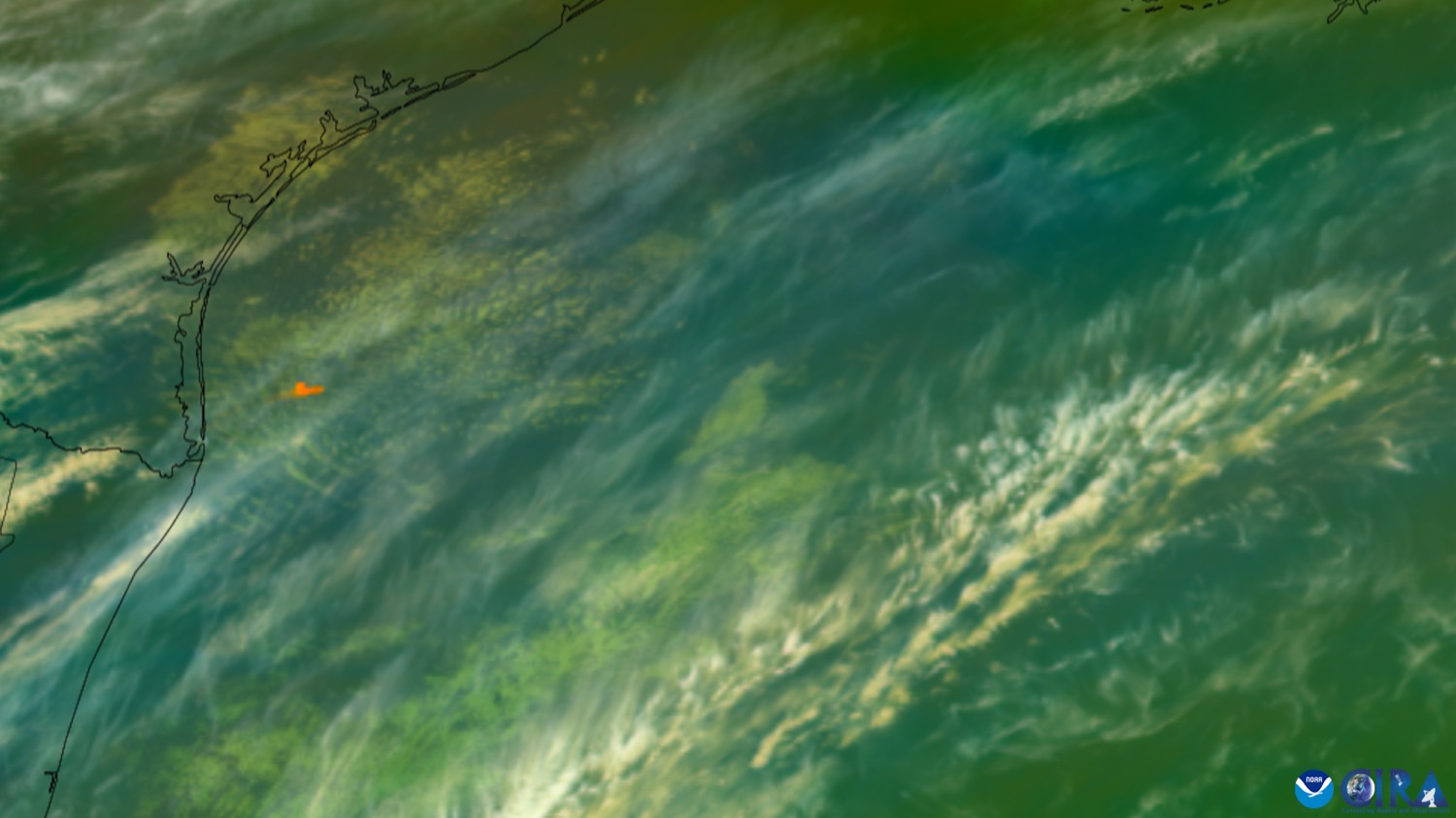
Meteorologists cannot tell you whether it will rain in Bangalore three Tuesdays from now. The atmosphere is chaotic; past about ten days out, the honest answer is a shrug dressed up in probabilities. And yet the same science will tell you, with something close to certainty, that Bangalore will be hotter in April than in December. One of those statements is weather. The other is climate.
Weather is the specific event — this storm, this Tuesday. Climate is the deep trend the events are drawn from, the slope the dice are quietly loaded along. Weather is chaotic and short-horizon. Climate is stable and structural.
The whole trick is knowing which of the two you are actually holding.
Almost everything that has ever embarrassed a technology forecaster was a weather claim wearing a climate costume. This company will win. AGI arrives in March. The robots ship next year — the way they have shipped next year, every year, for a decade. Those are storms. The confident people naming them are guessing, just with a better vocabulary. But underneath the storms there is a climate, and the climate I think I can genuinely read. So here is the deal I will make with you for the rest of this piece. I will state the climate plainly, and I will flag every single time I wander off into the weather and start guessing.
Climate and Weather, for Technology
Climate is the structural trend — the direction the whole system is being pushed by physics, economics and incentives. It is slow, boring, and reliable. Weather is the specific event drawn from that trend — which lab, which breakthrough, which quarter. It is fast, exciting, and close to unpredictable. Most of what gets printed as prophecy is weather. Most of what is actually knowable is climate.
Four things I would bet the decade on
Start with what is barely in doubt.
The first bet is boring, physical, and nobody's idea of a frontier: computing has quietly turned into an energy problem. For thirty years the scarce thing in artificial intelligence was ideas, then data, then chips. In the last eighteen months the binding constraint moved again, and it landed somewhere unglamorous. The world's data centres drew about 415 terawatt-hours in 2024; the International Energy Agency's central case has that roughly doubling to around 945 by 2030, most of the growth from AI. A single frontier training run may need four to sixteen gigawatts of power by 2030 — the output of several nuclear plants, pointed at one model. This is why OpenAI's Stargate is a half-trillion-dollar, ten-gigawatt construction project, and why the hyperscalers are suddenly signing contracts for nuclear reactors like they are ordering server racks.
The constraint on intelligence stopped being cleverness and became megawatts.
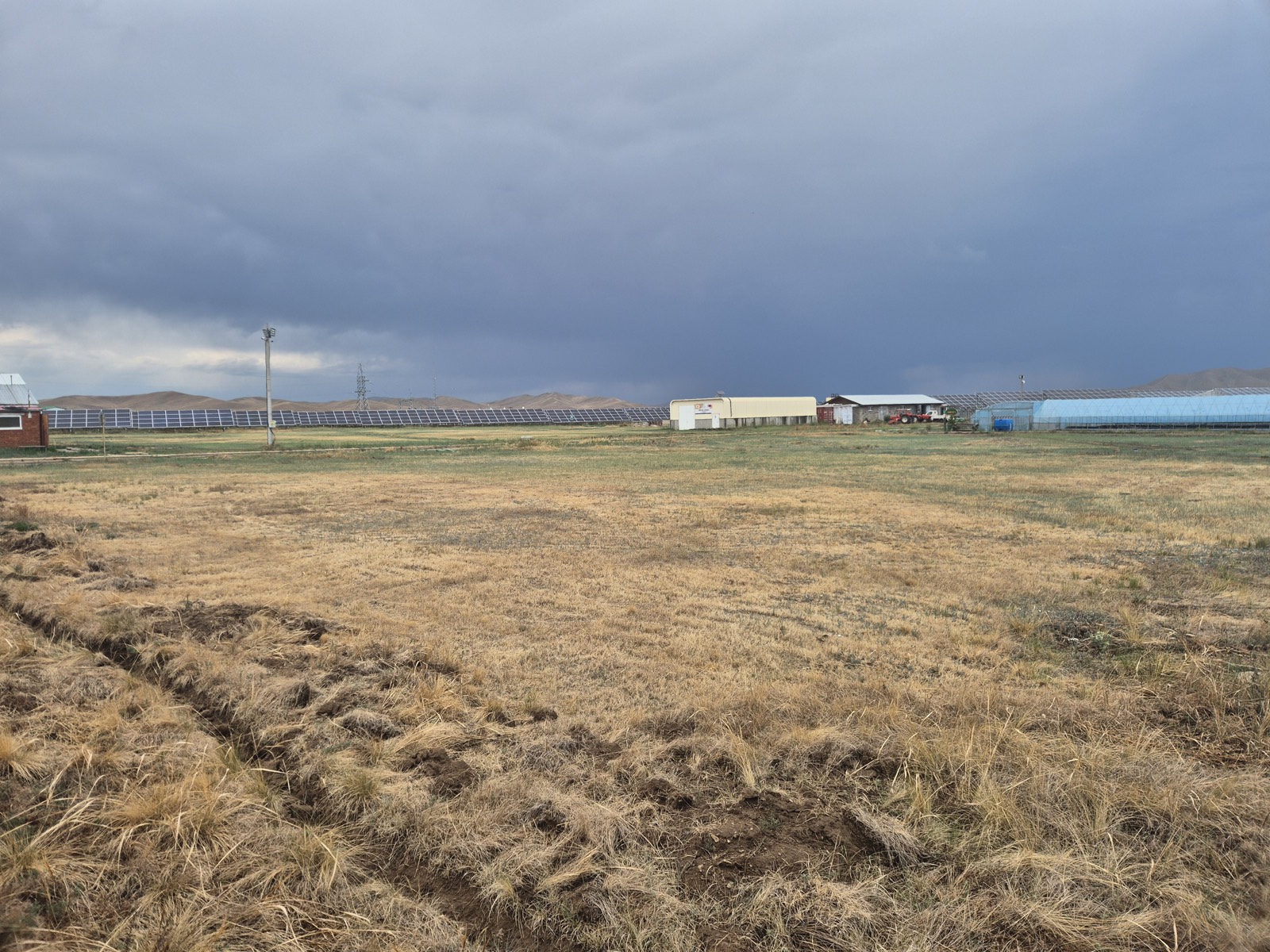
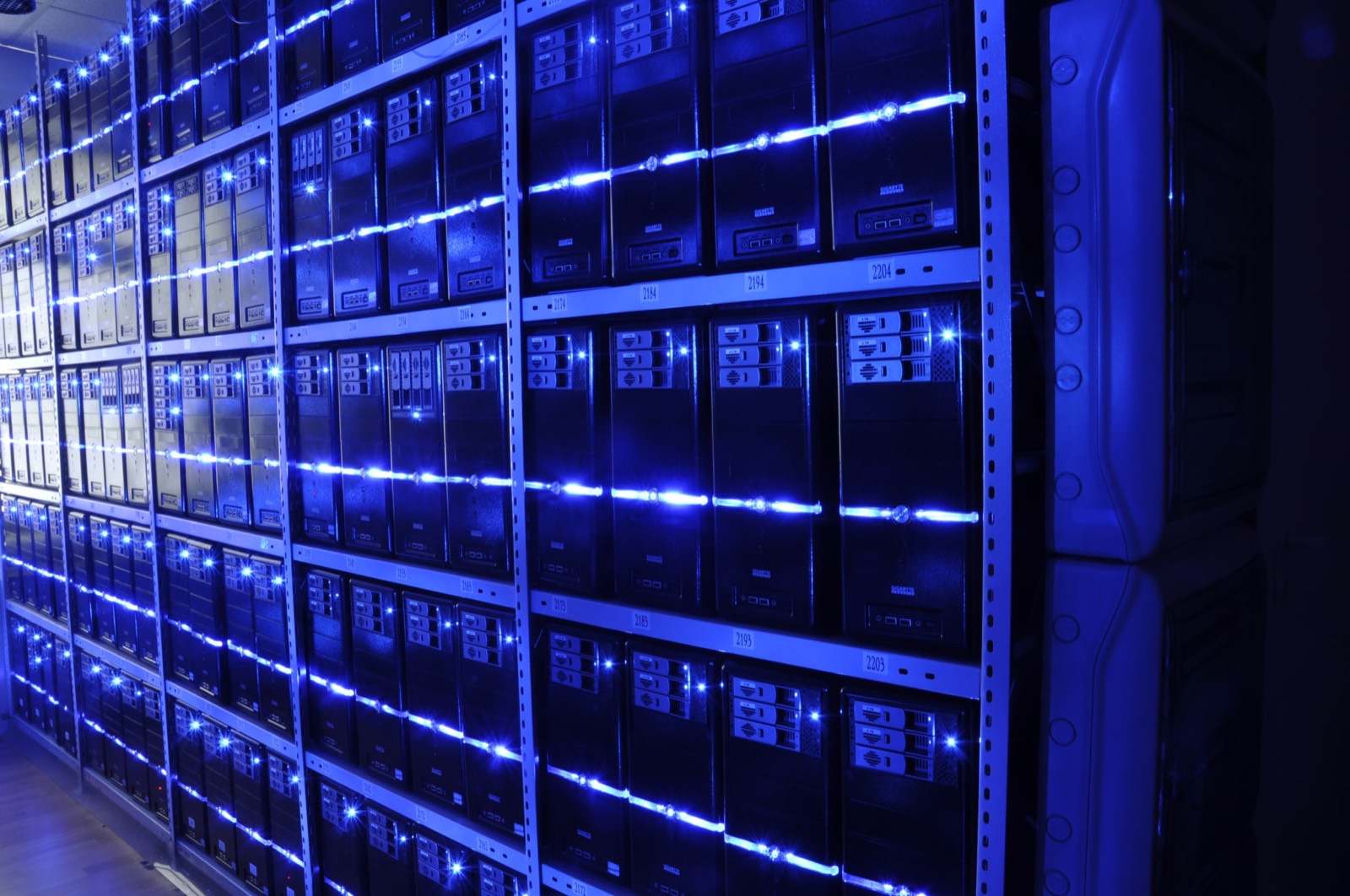
The good news lives on the supply side, and it is the second bet. The cost of the machinery that could feed this — solar, and especially batteries — is collapsing on a curve as reliable as anything in technology. Battery packs hit a record-low average of around 108 dollars a kilowatt-hour in 2025, and the IEA expects a further 40 percent cut by 2030. So we get a scissors: demand climbing steeply while the cost of clean supply falls just as steeply. Which of those two lines wins, in which region, in which year, is weather. That the two lines are moving in opposite directions is climate, and it is about as close to a sure thing as this essay contains.
The third bet is that the most important thing intelligence does in the next five years will not happen in a chat window. Sometime recently these systems stopped only taking our exams and started running our experiments. A protein-design model at one lab invented a working fluorescent protein about 58 percent different from anything evolution ever made — a molecule from a part of the search space life never visited. The first drug designed end-to-end by an AI walked out of a Phase 2a trial with a real signal. Each of these is early, hedged, one mouse away from disappointment. But the shape underneath them is a flywheel: cheap compute builds better models, better models propose molecules and materials no human would have tried, and the ones that work justify still more compute.

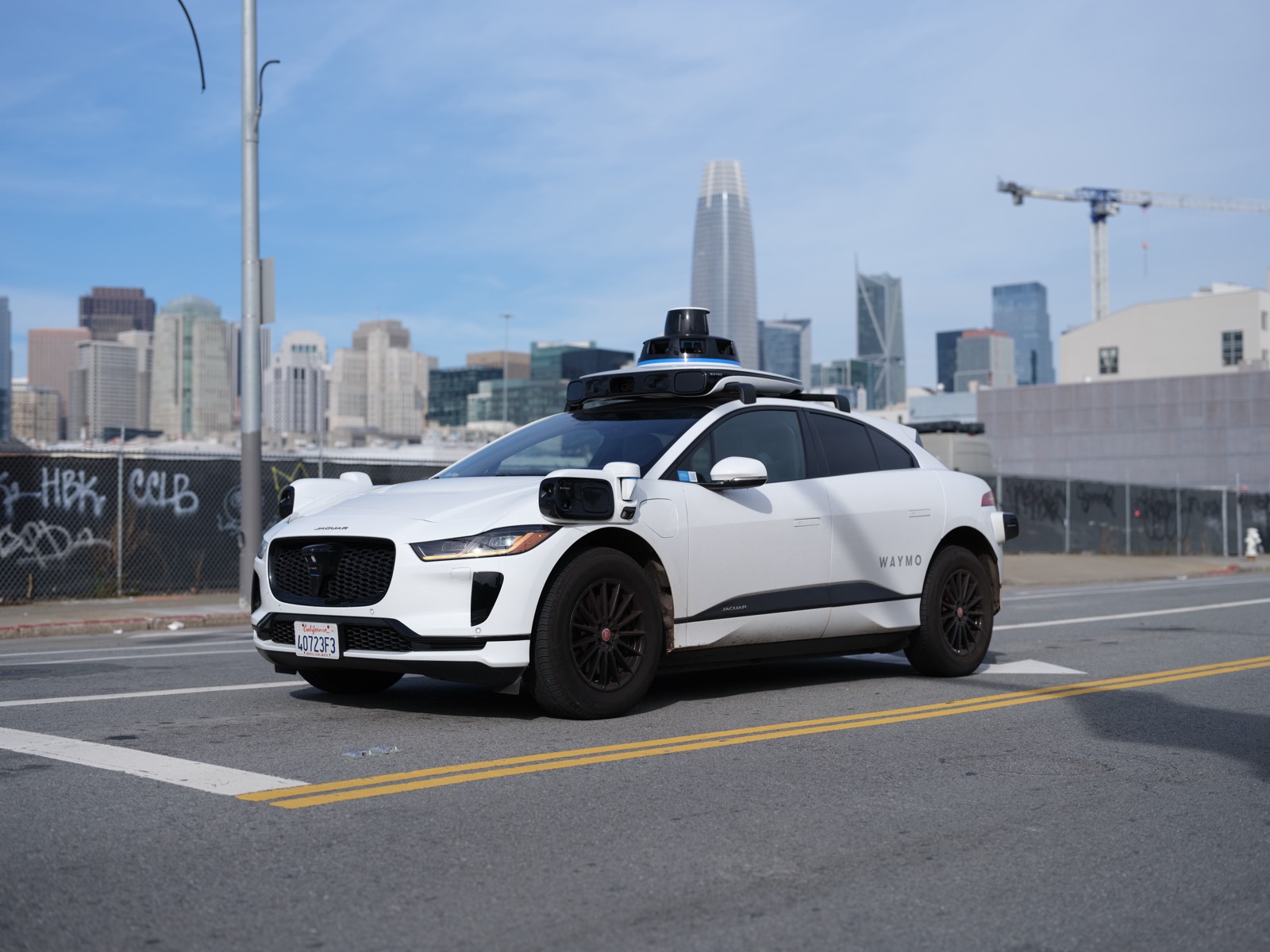
The fourth bet is a pattern, and once you have seen it you cannot stop seeing it: the narrow, fenced-in, slightly boring version of a technology ships and scales, while the grand general version stalls in a puddle of demos. Waymo runs a real business — it climbed from about 50,000 paid rides a week to half a million in under two years, with roughly 85 percent fewer injury-causing crashes than human drivers across tens of millions of miles. Tesla's far grander promise of go-anywhere autonomy is, as of 2026, still a supervised Level-2 system with a few dozen closely-watched cars in Austin, its 2020 and 2025 deadlines quietly missed.
Autonomy scales exactly to the size of the box you are willing to draw around it.
And beneath all four sits a fifth fact that is really about us, not the machines: the gap between what these systems can do and what we actually do with them is wide, and it is closing far more slowly than the demos imply. In Anthropic's own usage data, tasks in computing and mathematics are around 94 percent theoretically doable with today's models — and only about a third are actually being done that way. Roughly a third of workers show no measurable use at all. Gartner expects more than 40 percent of corporate "agentic AI" projects to be cancelled by 2027.
Capability is a curve. Absorption is a queue.
Energy is the ceiling. Science is the flywheel. Constraint is what ships. And the bottleneck, in the end, is us. Everything else in this essay is detail hanging off those four hooks.
Now the part where I start guessing
Everything above this line I will defend. Everything below it, I am guessing — carefully, with sources, but guessing.
To keep myself honest, I have tagged every specific call with one of three labels, and the label is the entire point. demonstrated means it is real and measured today. deploying means it is funded and rolling out, credible on a one-to-two-year horizon. promised means it is a roadmap — which is to say a hope with a date attached. The disease in most technology writing is that promises get printed in the same typeface as facts, and by the time the date slips, nobody remembers it was ever a maybe.
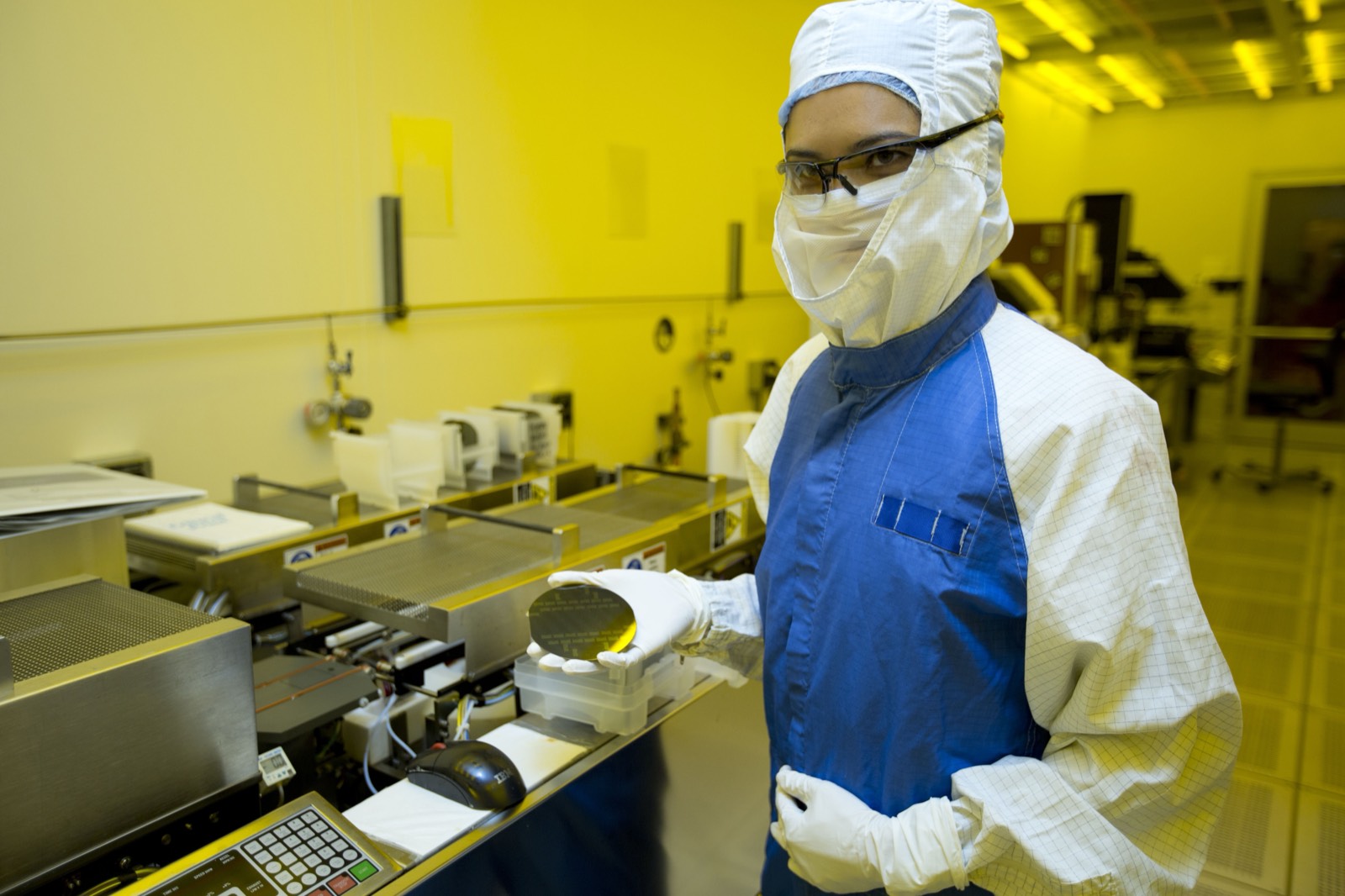
The nearest weather is the most legible, because it is mostly a matter of factories finishing what they have already started. Nvidia's Rubin generation ships in the second half of 2026 — 288 gigabytes of memory and 50 petaflops of low-precision inference per chip — and the memory it needs is already sold out for the year. deploying The two-nanometre chips underneath are in volume production. demonstrated Riding on top, the agents: the length of task an AI can complete unsupervised has been doubling every six to seven months, from minutes in 2024 to nearly five hours by late 2025. Extend the line and agents handle a full workday's task around 2026, and a month-long one somewhere between 2027 and 2029 — the fork depending entirely on whether the recent, faster pace holds. promised
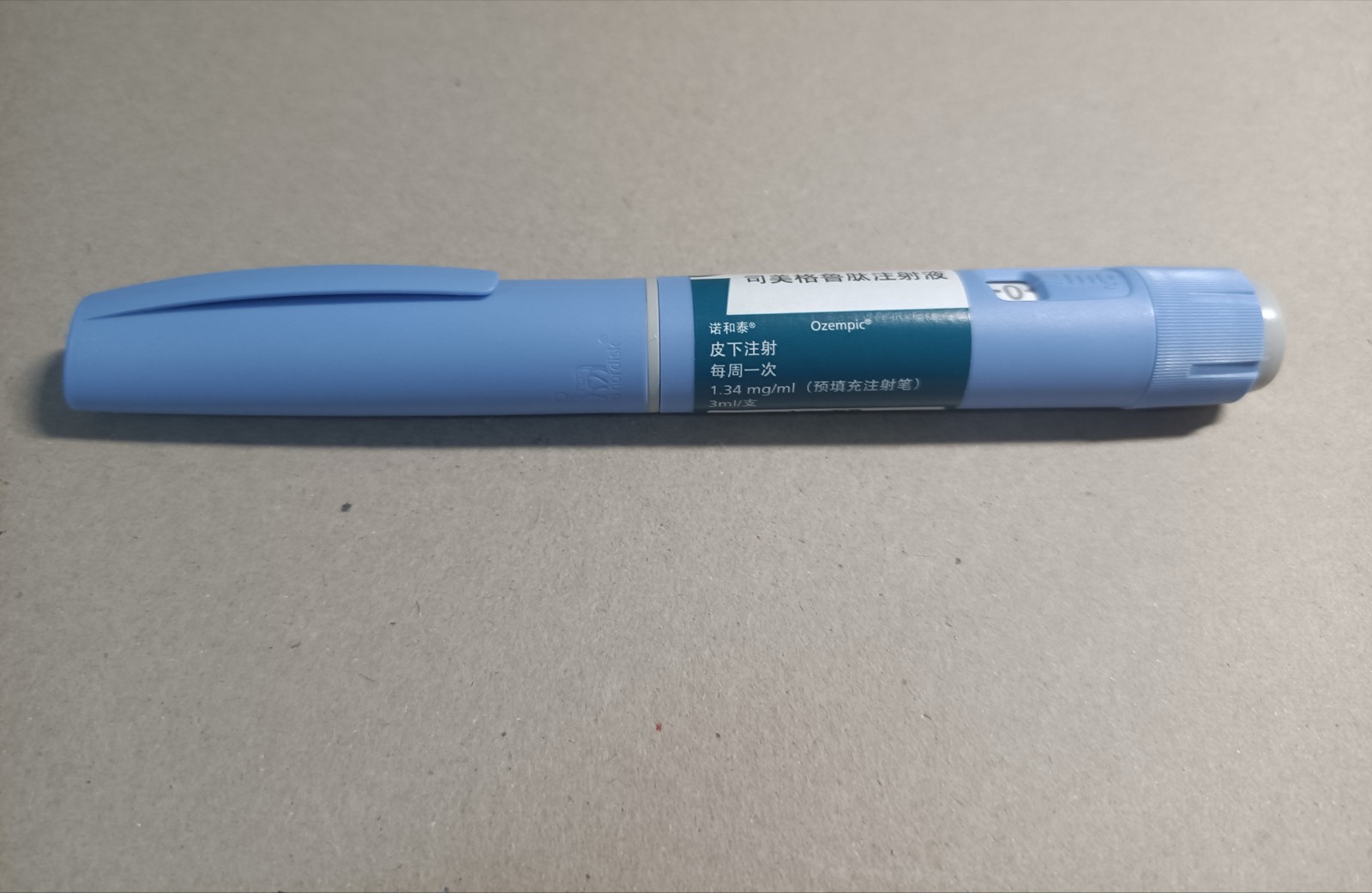
Then biology, which crossed a line most people outside it slept straight through. An obesity drug you swallow instead of inject — an oral GLP-1 that produced around 12 percent body-weight loss — is filing for approval. deploying A CRISPR therapy that edits a gene inside your body from a single infusion cleared its final trial with an 87 percent cut in attacks for a rare disease, aiming to launch in 2027. deploying The unit of medicine is quietly shrinking from "the disease" toward "your exact mutation," and the first examples now have dose-response curves and side-effect tables instead of press releases.
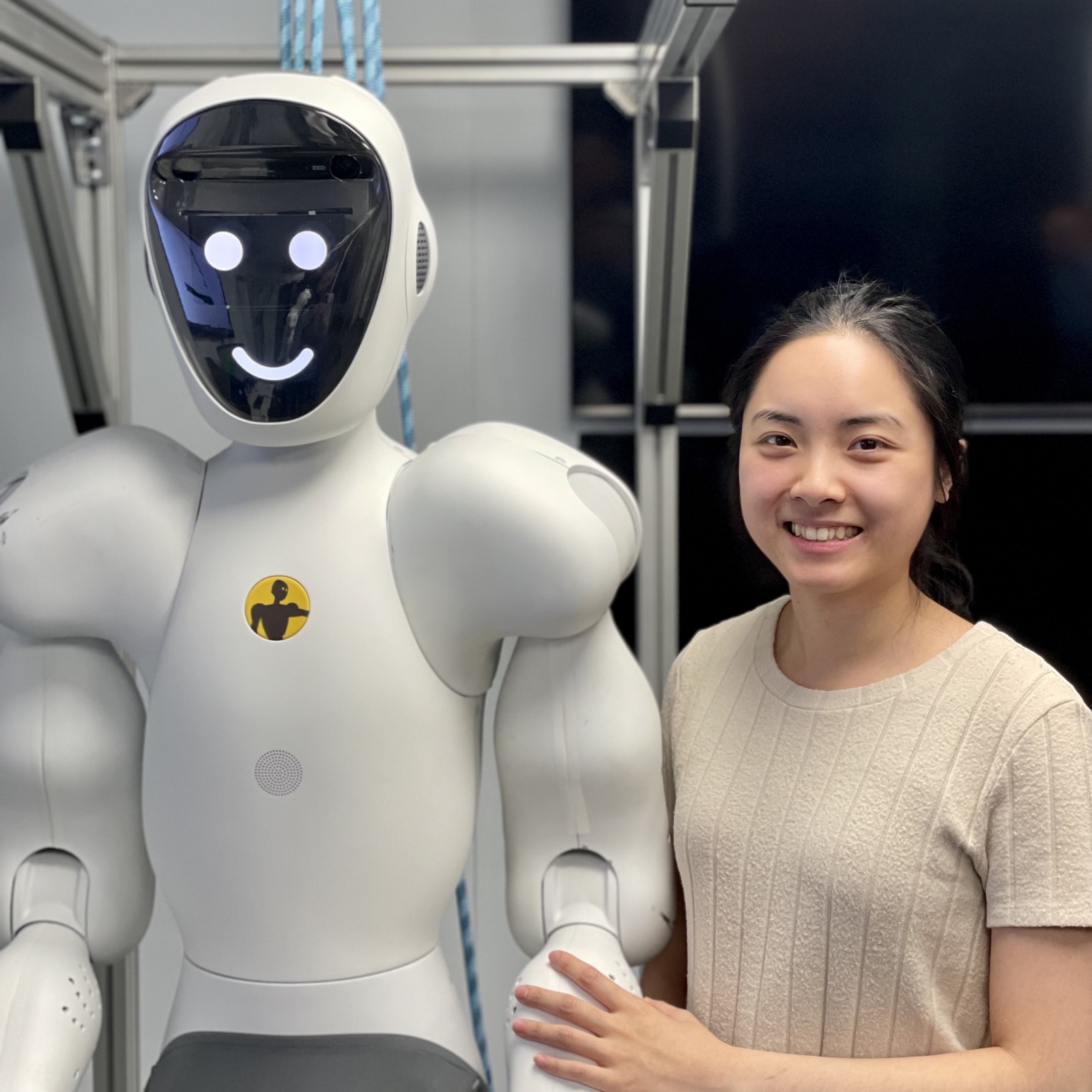
Further out, the weather gets wilder and the tags turn violet. Humanoid robots are genuinely shipping, and genuinely an order of magnitude below the hype — Tesla missed its own 2025 target by around 90 percent. Goldman Sachs projects a quarter-million humanoids a year by 2030; Morgan Stanley projects nearly that many in China alone. promised The width of that disagreement is not a detail. It is the honest measure of how little is known.
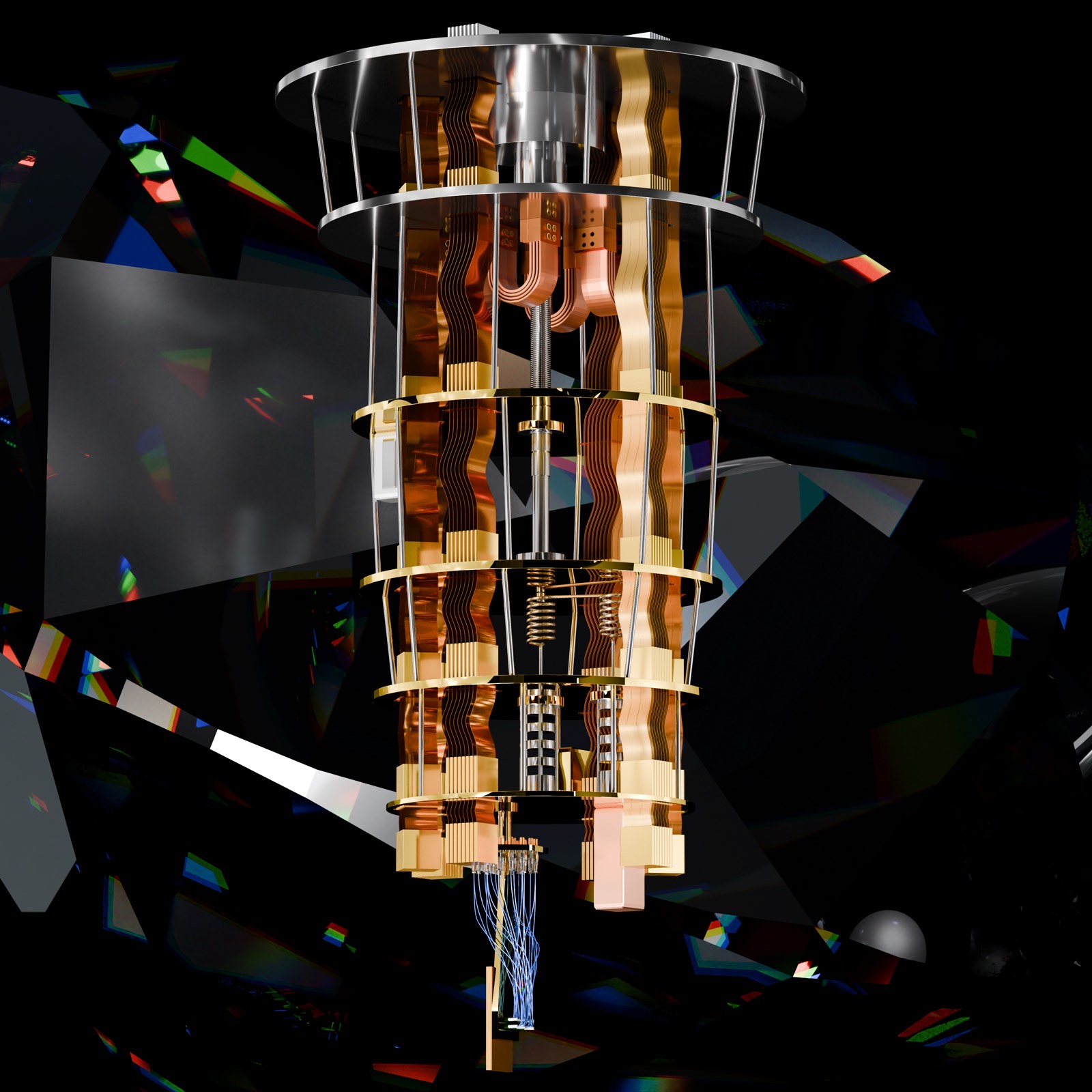
Quantum computing had a genuinely historic result — a chip that, for the first time, got more reliable as it got bigger, crossing the error-correction threshold that had blocked the field for decades. demonstrated On the strength of it, IBM promises a 200-logical-qubit machine by 2029, a two-hundred-fold leap from roughly one working logical qubit today. promised And here is the sober number underneath the excitement: today's best error rates sit three to four orders of magnitude — a factor of a thousand or more — above what a genuinely useful machine needs.
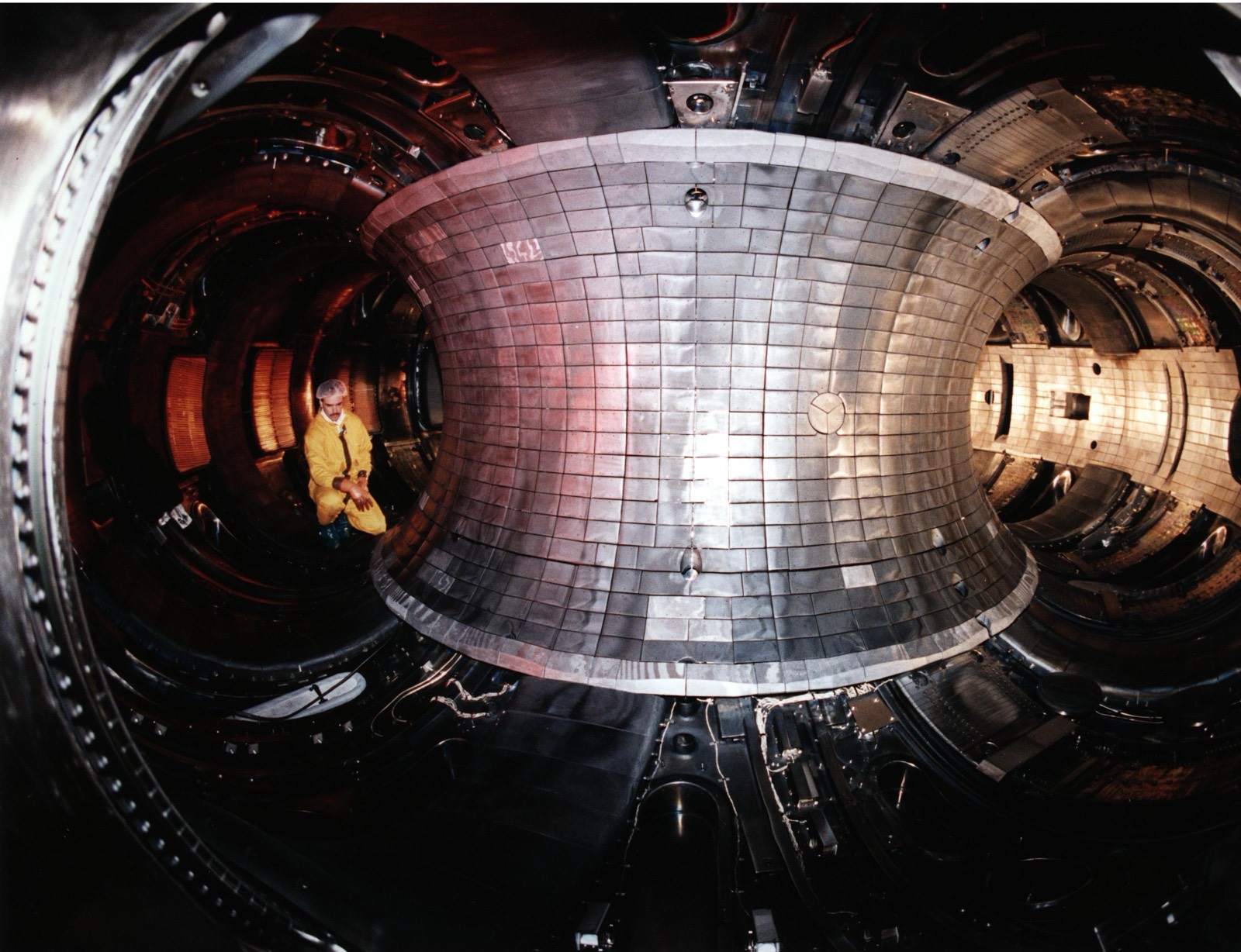
And fusion, which stopped being a punchline. A private company is installing the magnets for a machine it says will hit first plasma in 2027 and put power on a grid in the early 2030s. promised I want that to be true more than almost anything on this list. I also note that "grid electricity by the early 2030s" would break a field-wide record of slippage that is older than I am.
Where to bet against me
If you want to know where this forecast is weakest, I will save you the trouble of finding out.
The dates are the softest thing here, and the softest of the dates is AGI. Over 2025 the community forecast for "strong" artificial general intelligence on one widely-watched platform slid from July 2031 to November 2033 — more than two years of slippage inside a single calendar year, as people realised that much of the recent gain came from letting models think longer at test time, a lever you cannot keep pulling for free.
A number that moves two years in one year is not a measurement. It is a mood.
I would bet against the humanoid unit counts — the confident millions-by-2027 line has a decade of missed robotics deadlines behind it. I would bet against any "useful quantum advantage by 2026." I would bet the first fusion electrons slip past the early 2030s. And I hold all of it loosely because of the single most instructive prediction in this field's recent history: in 2016 one of the most decorated minds in AI told the world to stop training radiologists, because the machines would obviously replace them within five years. In 2026 radiology faces its largest shortage ever, at salaries north of half a million dollars, and he has publicly admitted he was wrong about the timing.
He was right about the capability and wrong about the world. That is the precise error this entire essay is standing in the blast radius of.
That is the ledger. It is specific enough to be wrong, which is the only kind of prediction worth writing down.
Why forecast a thing you will get wrong
So why publish a forecast I have just spent a whole section undermining?
Because being right was never the point.
There is an idea I keep returning to from the Bhagavad Gita — karma yoga, action without attachment to its fruit. You have a right to the work, it says, and no right to its outcome. I used to read that as consolation for failure. I have come to read it as an instruction about attention. The forecast is the action. Being right is the fruit. If I do the work well — read the actual paper, find the actual number, notice which promises have quietly slipped — then the quality of that attention is entirely mine to keep, no matter what 2031 does to my predictions.
A forecast made this way is not a bet. It is a discipline for paying attention on purpose.
And it is a commitment to be disprovable, which is rarer than it sounds. A vague feeling that "AI is moving fast" can never be wrong, and so it can never teach you anything. The moment you write down "one month, by 2028, if the fast trend holds," you have built something reality is allowed to break. When it breaks — and some of this will — the break is information. The vague never gets that gift.
The map is wrong. Drawing it carefully is what changes the mapmaker.
So take all of this the way I mean it. Not as a prophecy, and definitely not as advice. Take it as one person standing in the weather with a notebook, trying to write down the shape of the wind before it changes — knowing the wind will change, and doing it anyway, because the writing is how you learn to see.
The future is not a secret to be guessed. It is a climate to be read and a weather to be survived. I would rather be precisely wrong, on the record, than vaguely right in the safety of my own head.
Check back in five years. Bring the receipts. I will have the file open.
This is the forward-looking companion to The Bottleneck Moved, which was a field report on what already happened; and it argues with my own The End of the Exponential. If you think I have a call badly wrong, that is the most useful thing you could tell me.