
Every venture fund has a clock inside it. Most are set for about ten years. In that time the fund has to find companies, back them, help them grow and sell its stake, so that the people who gave it money get it back with more on top. Then the partners raise the next fund, and the clock starts again. I keep coming back to that clock when I look at where Indian venture money goes.
In 2025, by Inc42's count, Indian startups building chips, robots, rockets and defence systems raised about $500 million. Indian startups as a whole raised about $11 billion.1 AI is counted separately, and that money is growing fast.
About $500 million of roughly $11 billion.
Much of the rest, outside AI, went into consumer businesses that make city life faster: groceries in ten minutes, services at the door, payments in a tap. Plenty of those companies are useful and well run.
My first explanation was the easy one. Investors here think short-term. I no longer think that's the whole story. India has funds built for hard technology, and they do back difficult companies. But most of the money sits in funds with the same ten-year clock, and the clock has more say than any partner's taste.
What the clock rewards
The clock rewards evidence that arrives quickly. A consumer business produces it every week: orders, repeat customers, what each order earns after delivery. A partner can bring those numbers to a Monday meeting and say whether the bet is working. Even large losses are easier to back when everyone in the room can read them.
A new battery chemistry might give you one clear result a year. A new chip can take a year to go from design to first silicon, and when it fails, you need an engineer to tell you whether the fault is fixable. A partner without that background has to take the founder's word for it, and most would rather not.
Then there's the exit. A fund only makes money when someone buys its shares, and in India the buyer is usually the stock market. Bain's 2026 India venture report found that public markets produced more than 65% of 2025's exit value, and that consumer tech and fintech produced over 60% of it.2 The same report found that Indian funds take 30 to 40% longer than American or European ones to return the money their investors put in.2
Sit in a partner's chair for a minute. You need cash back from this fund before you can raise the next one. The market you'll eventually sell into prefers businesses it already understands. You'd back what that market buys. So would I, and I say that as someone who builds hardware at NeoSapien and would like the answer to be different.
The clock and the payoff.
The clock isn't the only reason. India spends 0.84% of its GDP on research, so fewer companies come out of labs to begin with.3 The good ones that do still have to get past the clock.
The bets that built the present
The chips, rockets and lithography machines we now rely on mostly didn't depend on a fund's clock.
In 1962 the US government bought every integrated circuit made in the country, for missiles and for Apollo. By 1968 the government's share of purchases was down to 37%. Its orders had pushed prices low enough for everyone else to buy.4
The first customer bought everything.
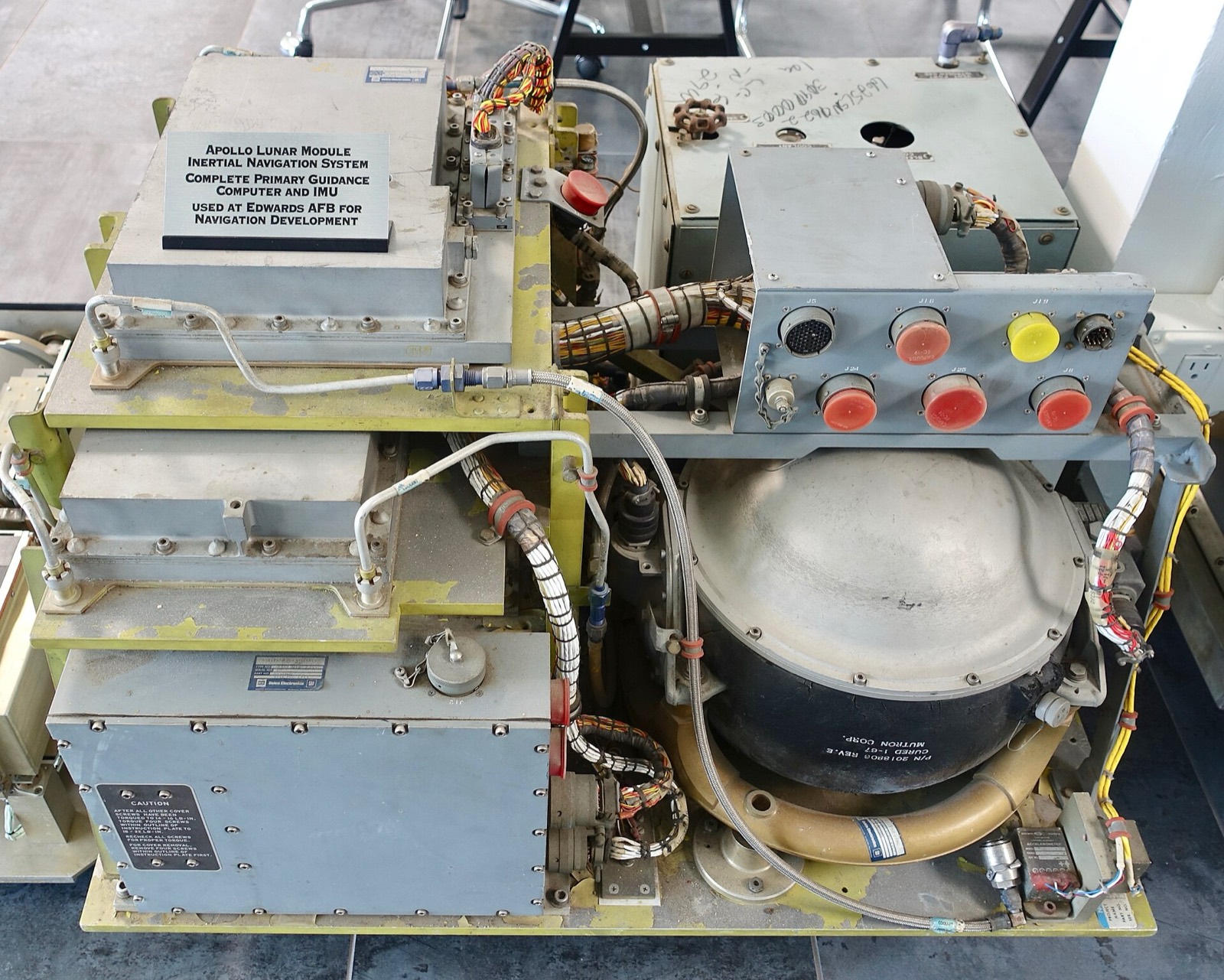
An Apollo Lunar Module guidance computer and inertial unit, used at Edwards Air Force Base for navigation development. Apollo was one of the largest early buyers of integrated circuits.
Steve Jurvetson / CC BY 2.0 ↗
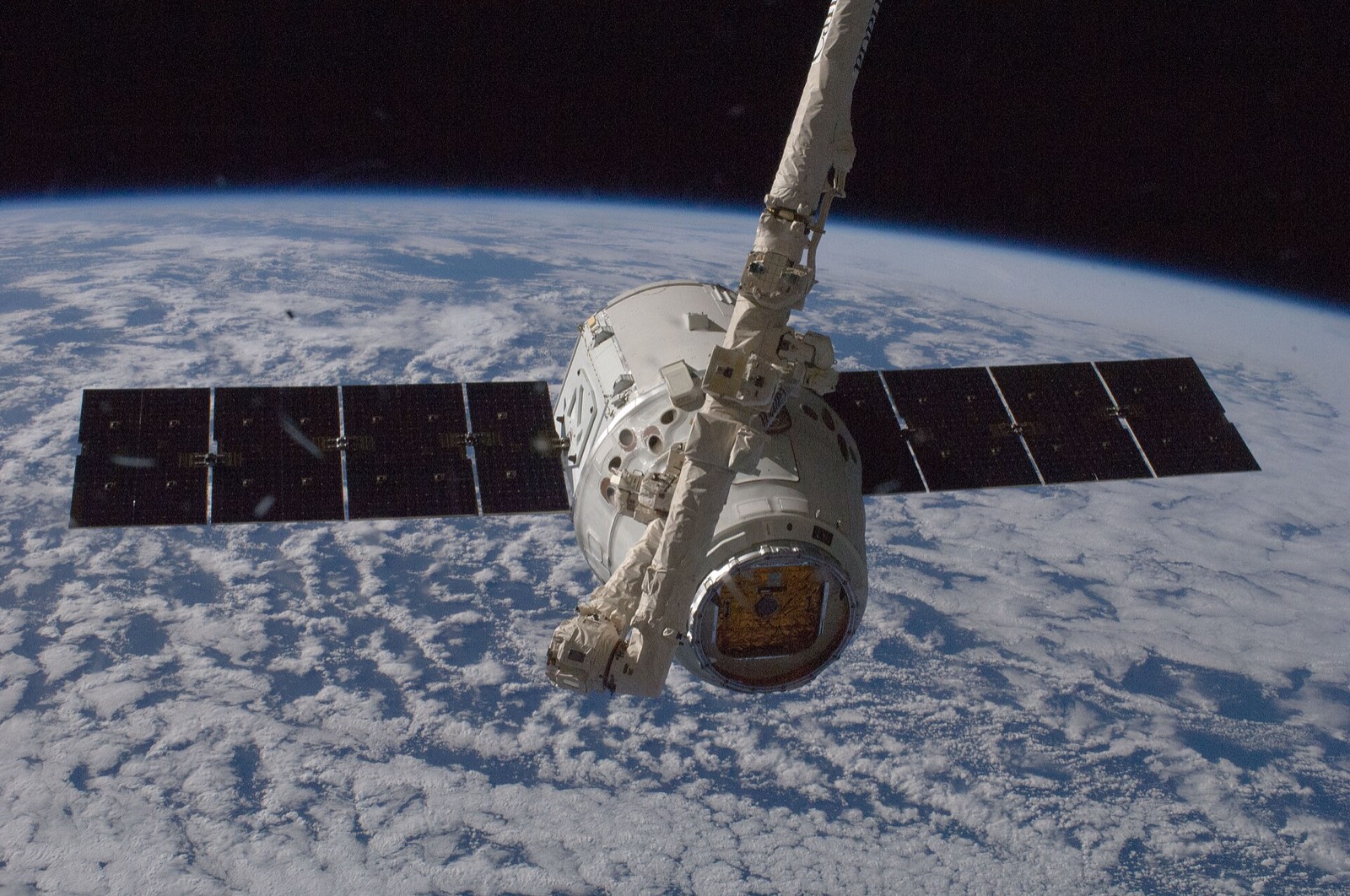
SpaceX is usually told as a venture story, and it did raise venture money. But NASA paid $396 million, 47% of the cost, to help develop its cargo rocket and capsule, and in December 2008 it ordered $1.6 billion of cargo flights. The first contracted cargo flight came almost four years later.5
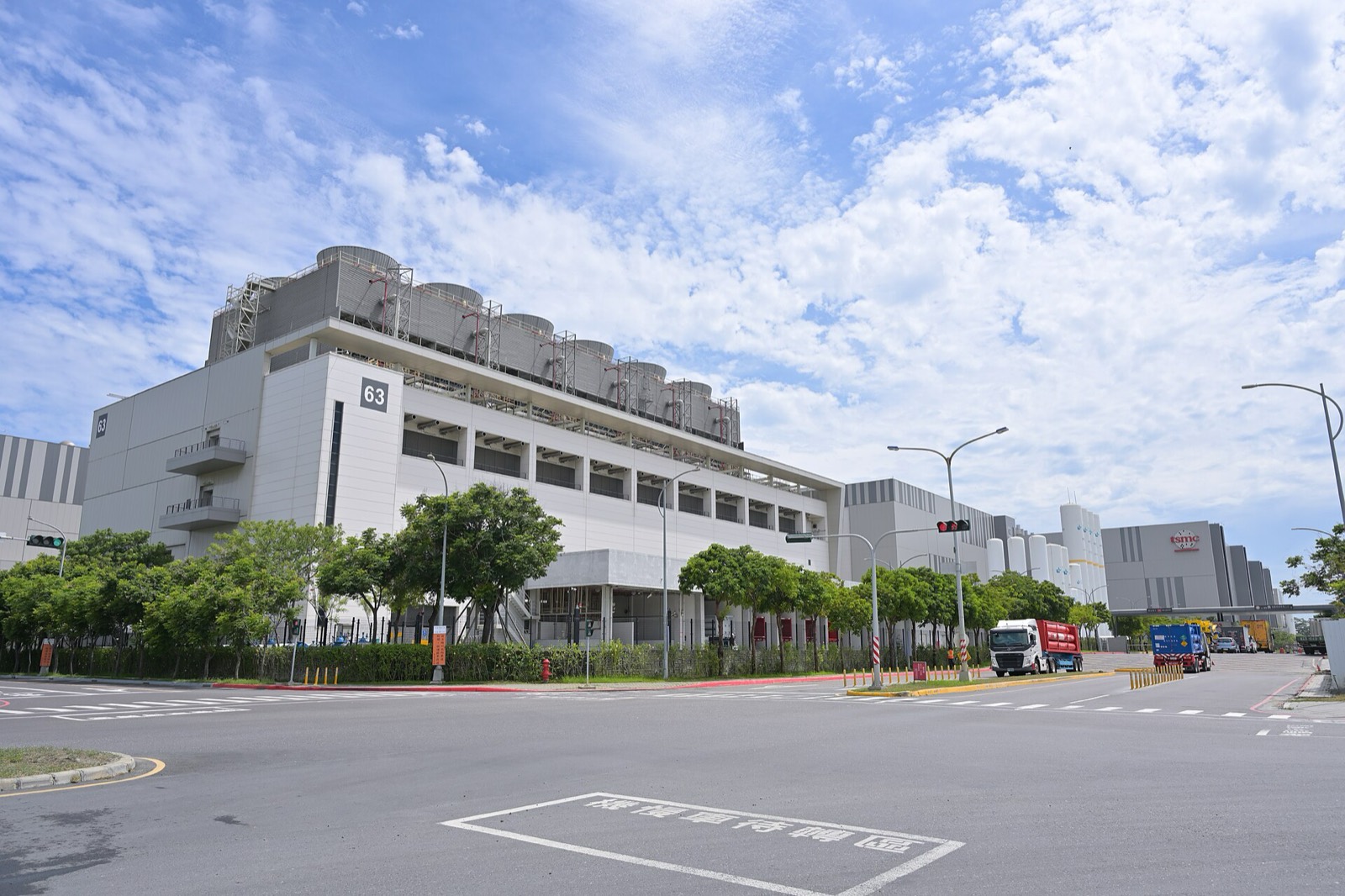
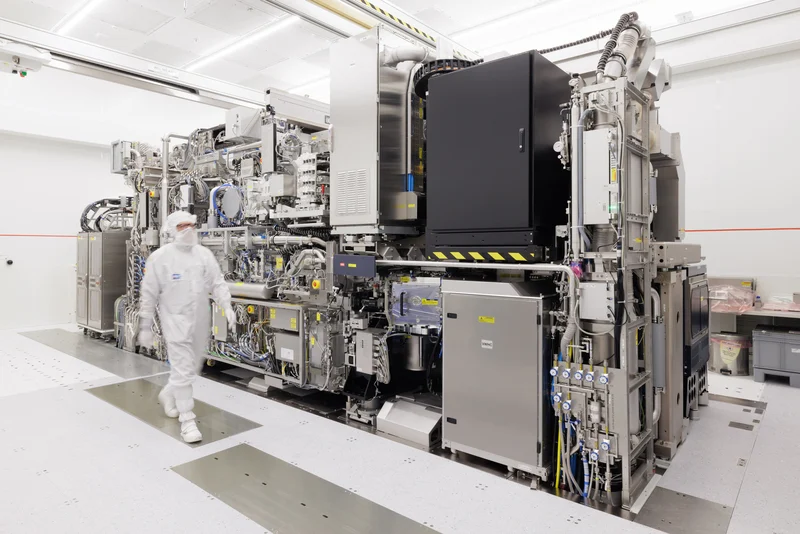
TSMC was founded in 1987 with Taiwan's government owning about 48% of it.6 ASML started working on extreme ultraviolet lithography in the late 1990s. In 2012, five years before it shipped its first volume-production machines, Intel, TSMC and Samsung bought 23% of the company and committed €1.38 billion to its research.7
Today TSMC earns 72.5% of the world's foundry revenue, and ASML is the only company that makes EUV machines.8

Were the people behind these bets braver than today's investors? I doubt it. A government building missiles, or a chipmaker that knew it would need EUV machines years later, could simply wait longer than a ten-year fund can.
One instrument, many shapes
Venture capital is very good at one shape of problem: cheap to test, quick to learn from, enormous if it works. Software has that shape, which is why so much of the industry's history is software.
Deep technology often has the opposite shape. The first test is expensive and the learning is slow. The payoff can be huge, but it tends to arrive after the fund's clock has run out.
A ten-year fund can carry a twenty-year bet only if a government, a customer or a lab carries part of it first.
China changed one part of the structure. Its STAR Market opened in July 2019. One of its listing standards lets a company whose main products have state approval and early results list at an expected value of at least RMB 4 billion, with no revenue or profit test. By late 2025, 57 companies had listed there while still losing money, and more than 120 of its companies were in the chip industry.9
In 2022, Chinese venture and private equity investors put RMB 223 billion into semiconductors and electronic devices, and RMB 41 billion into internet companies.10 State funds, sanctions and a crackdown on internet platforms all pushed the same way, so I can't credit the market alone. What it added was a way for private funds to sell a chip company, and they used it.
Fiction did the cheap part
Science fiction is good at the first step. In October 1945, Arthur C. Clarke argued in Wireless World that three satellites, parked high above the equator, could relay signals around the whole planet. No rocket at the time could put anything that high.
Nineteen years later, Syncom 3, built by Hughes for NASA, sat in that orbit and carried the Tokyo Olympics to American television.11 The idea took a few magazine pages. Building it took a NASA contract and nineteen years.
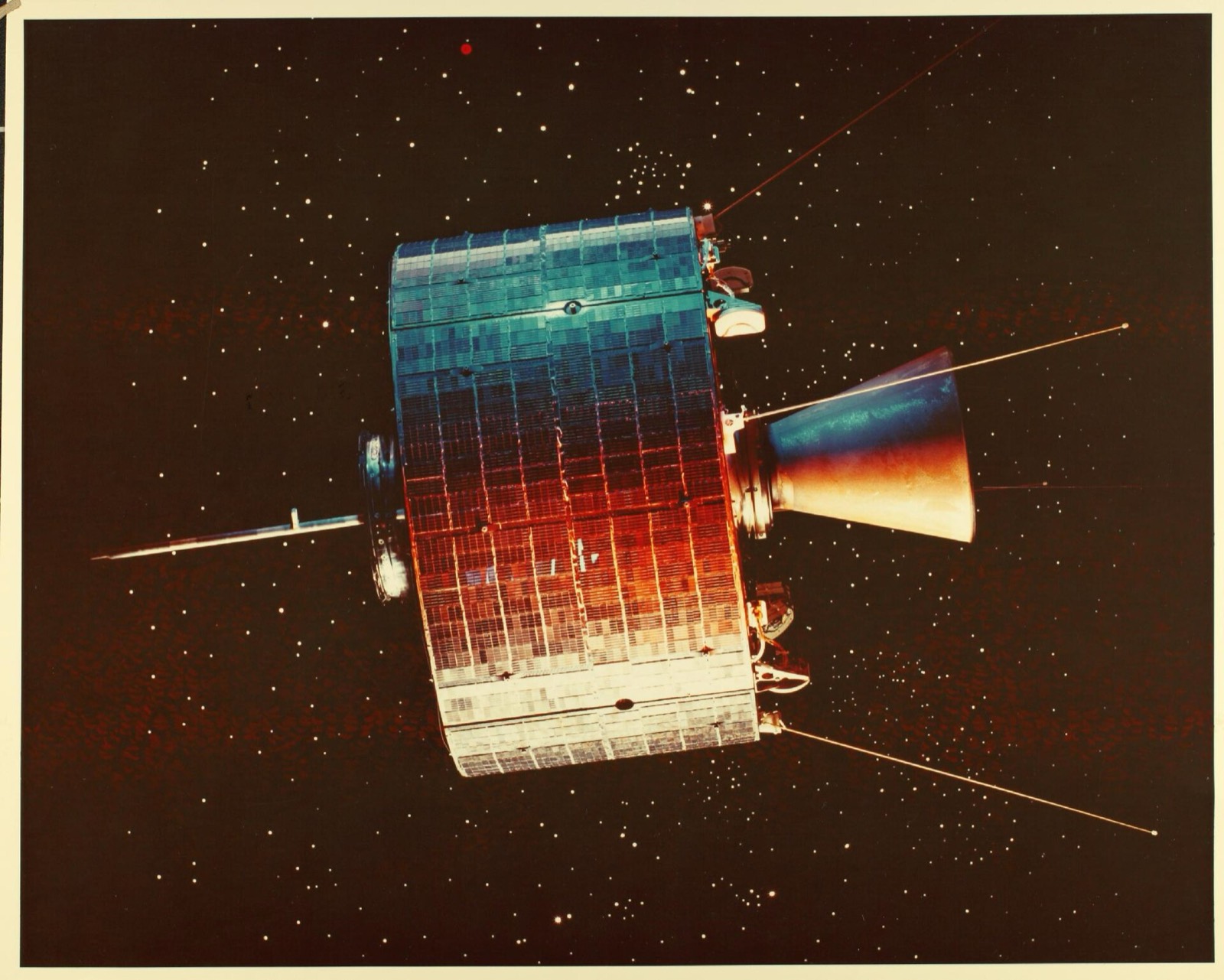
Syncom II, launched in July 1963. Its successor, Syncom 3, reached the orbit Clarke described and carried the 1964 Tokyo Olympics across the Pacific.
San Diego Air & Space Museum / public domain ↗
Most of us met that kind of future on a screen. Star Trek gave a generation the communicator, the tricorder and the replicator. The first now sits in every pocket. The other two are still waiting.
Indian readers grew up with their own inventor too. Satyajit Ray's Professor Shonku made the Miracurall, a pill that cured every illness except the common cold, and the Omniscope, spectacles that worked as a telescope, a microscope and an X-ray at once.12 Nobody is waiting for a startup to ship those.
The serious list is still long, though. Fusion power. A space elevator like the one in Clarke's The Fountains of Paradise. A direct link between brain and computer, the kind William Gibson imagined in Neuromancer. Every item on it has the deep tech shape: the first working version is expensive, and the payoff comes late. Clarke's satellites waited nineteen years for someone to pay for them.
A bet that paid along the way
The Patents Act of 1970 came into force in 1972. For medicines, it allowed patents only on the process of making a drug, never on the drug itself.13 An Indian company could legally make a medicine patented abroad, as long as it found its own way to make it.
The law didn't ask anyone to wait for a payoff. A company could make money within a few years by finding a cheaper way to make a drug Indians needed. For thirty years, the cheapest way to make money in Indian pharma was to get better at chemistry, so companies did. Product patents for drugs came back in 2005. In 2022, Indian companies supplied 47% of the generic prescriptions filled in the United States.14
Profitable steps, a long result.
- 1970The Patents Act passes.Comes into force in 1972.
- 1972Process patents only.Medicines can be patented only by how they are made.
- 1984America opens to generics.A US law creates a faster approval route for copies.
- 2005Product patents return.India changes the law for medicines.
- 202247% of US generic prescriptions.Filled with medicines from Indian companies.
It wasn't the law alone. Public labs such as CSIR's developed many of the processes, and the state-owned IDPL trained many of the chemists. America's 1984 generic drug law opened the biggest market. And making known molecules more cheaply is not the same as inventing new ones. But the rule decided where the skill went: into making things well, at scale, for money.
Who is already building
Some of this is being built in India now.
In July 2026, Skyroot's Vikram-1 reached orbit on its first flight, the first privately developed Indian rocket to do it, six years after the space sector opened to private companies.15 In 2024 Agnikul flew a short test flight from its own launch pad at Sriharikota, on an engine printed as a single piece.16 Pixxel launched its first three Firefly hyperspectral satellites in January 2025.17 Digantara put up a satellite the same month to watch other objects in orbit.18
In May 2026 GalaxEye launched Drishti, built to pair an optical camera with radar so it could see through cloud and darkness. Two months later, after a geomagnetic storm, the company lost contact with it.19 Losing a satellite in its first months is part of building hardware, and the money behind a company like that has to be able to absorb it.
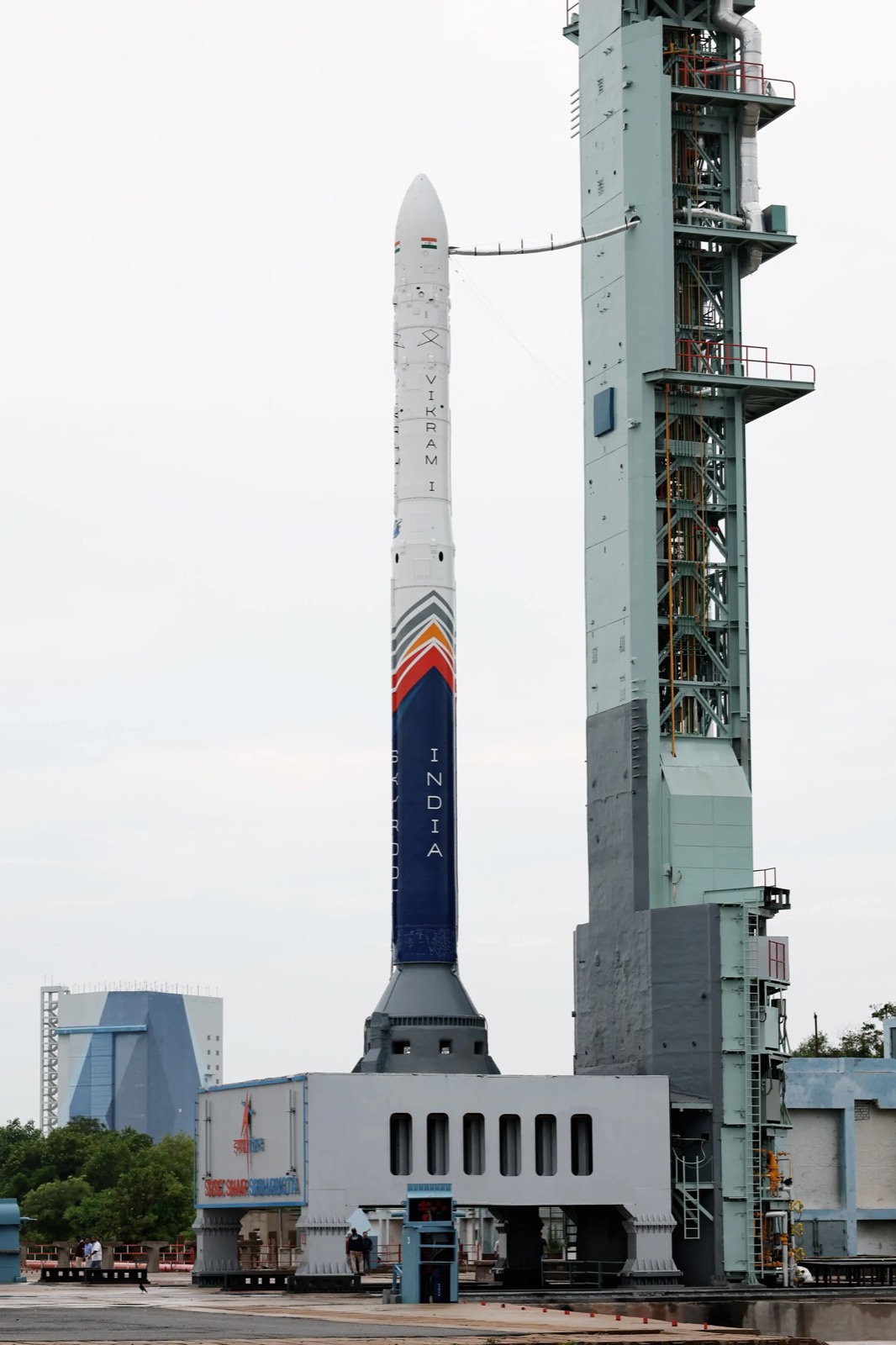



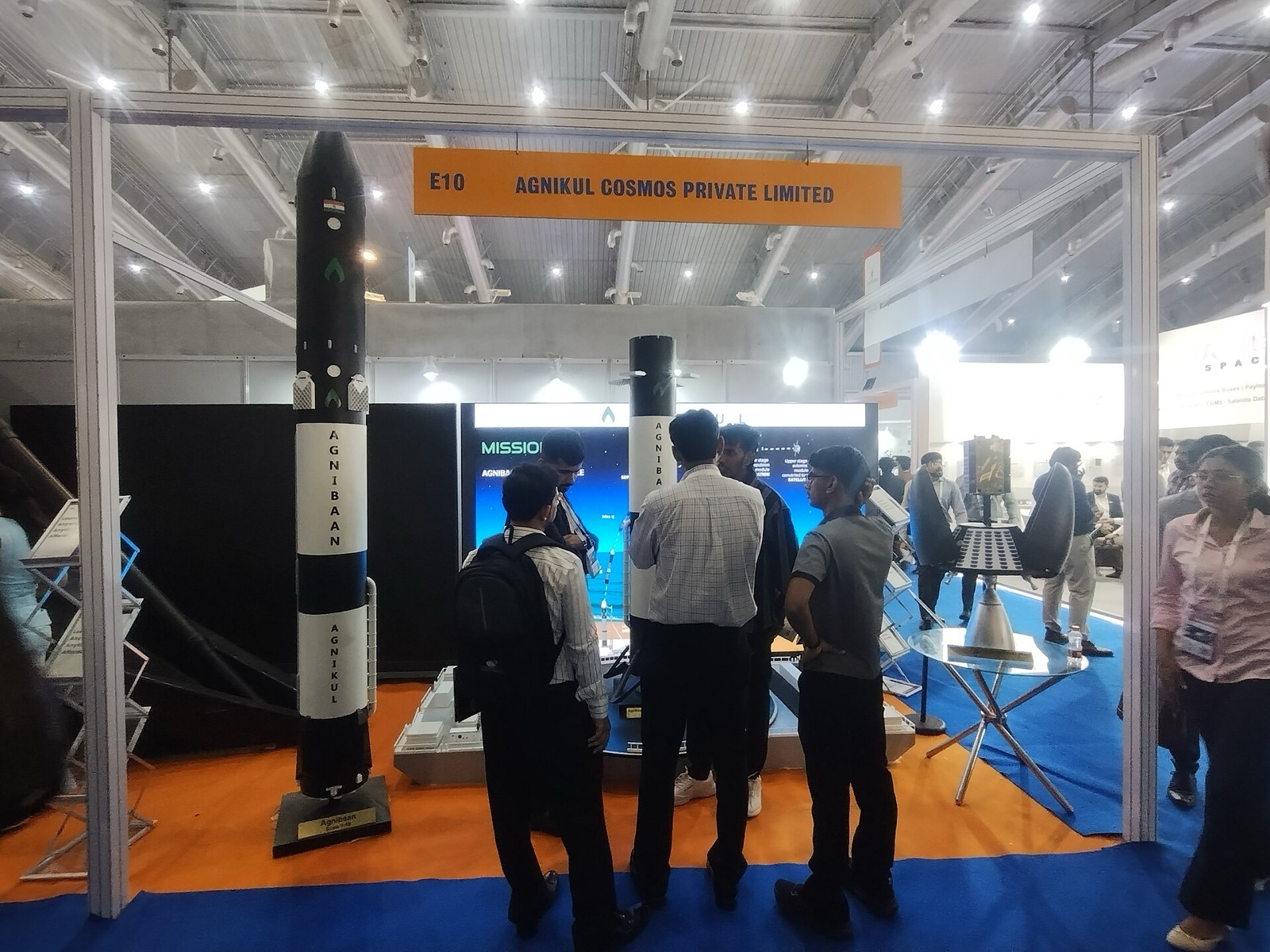

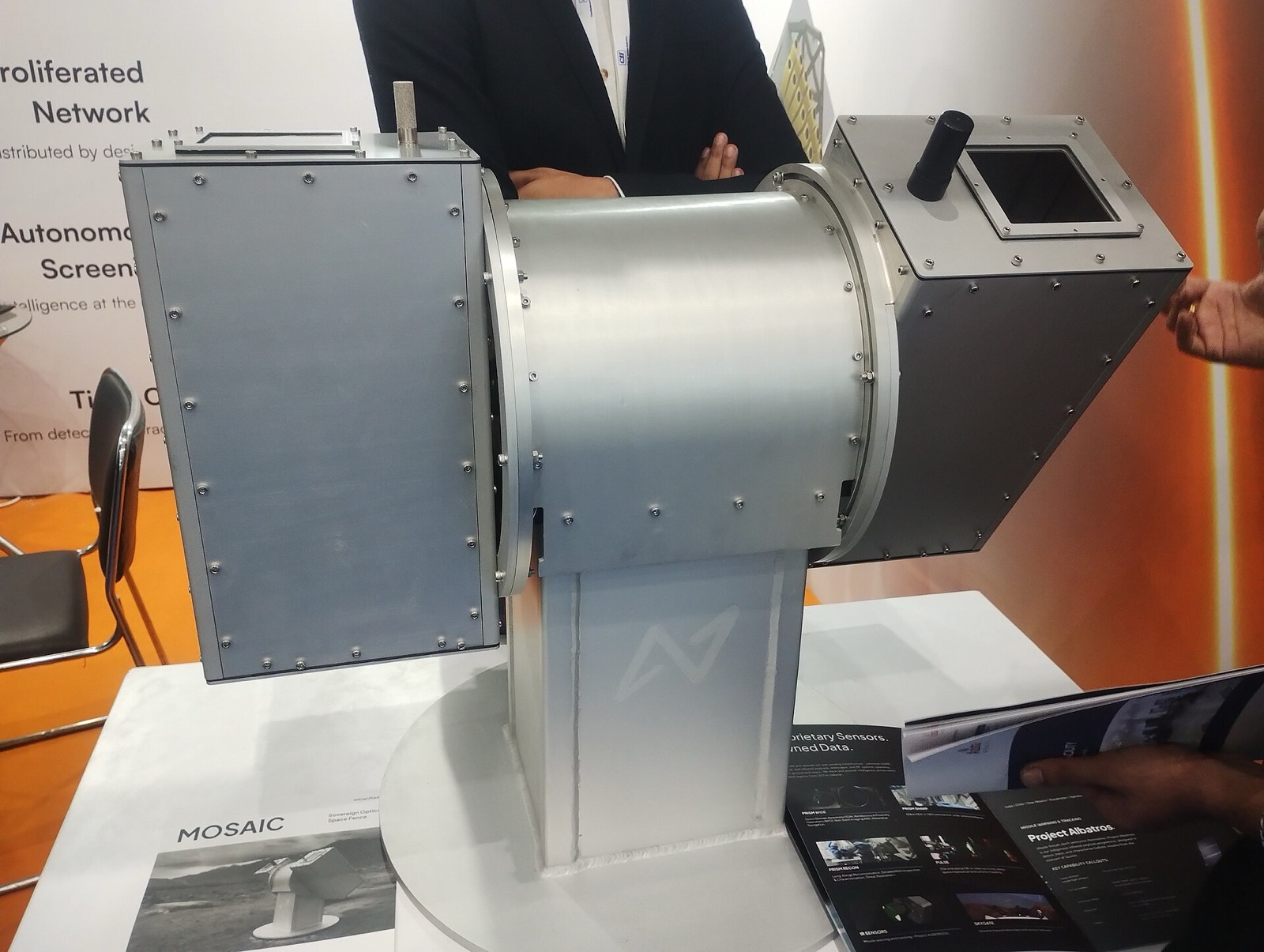

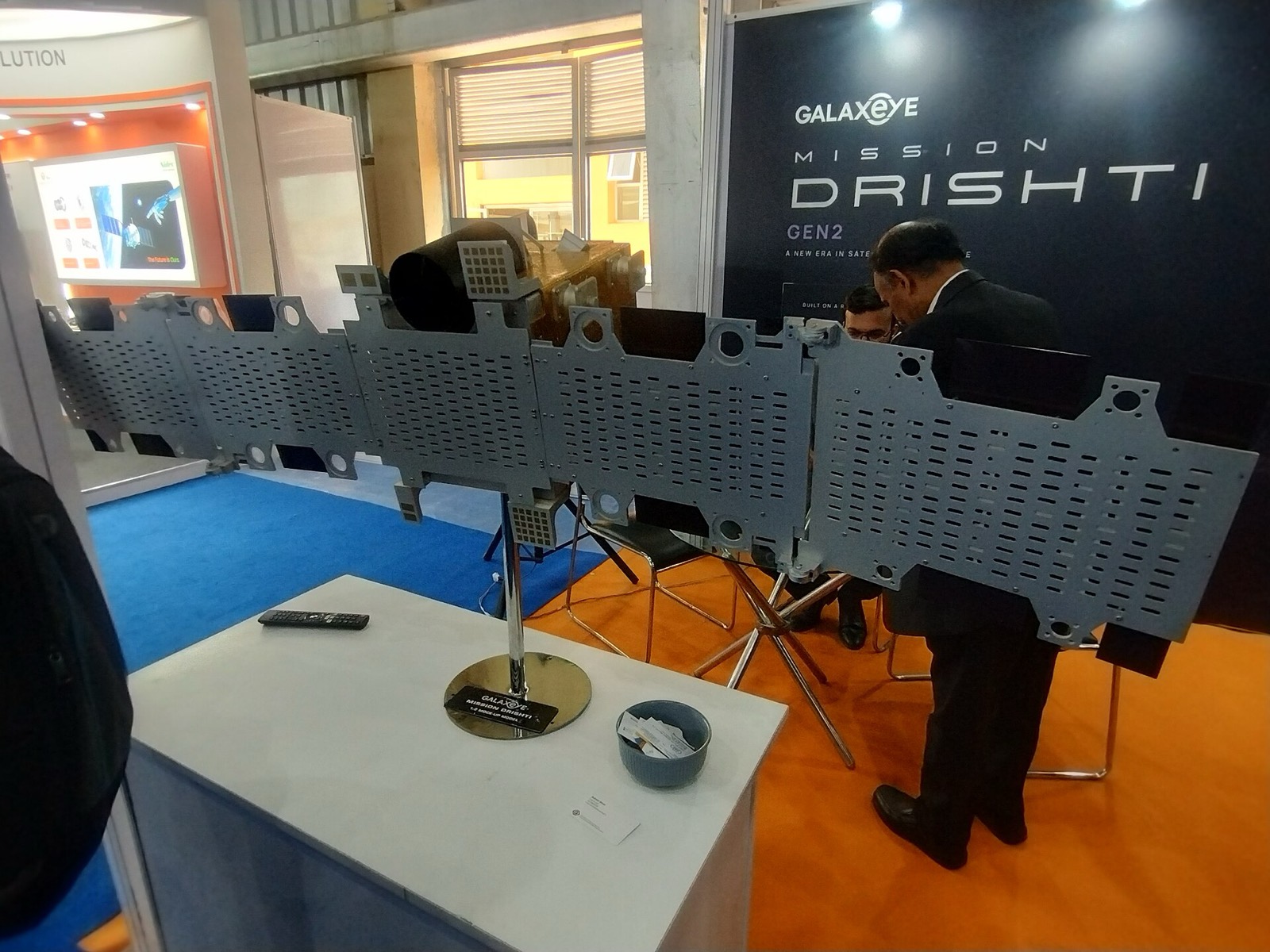

All five have venture investors. Each has had to show something real before its next round, usually something that flew.
Patient capital
Every bet in this essay had patient money behind it somewhere. NASA ordered SpaceX's flights years ahead. Taiwan's government held TSMC from the start. ASML's customers paid for research five years before the machines shipped. Indian pharma had thirty years of a rule that rewarded getting better at chemistry.
By patient capital I mean money that judges a company by tests passed and customers won, and doesn't have to sell by a fixed date. Venture funds can carry part of that journey, as they have for the five companies above.
The first expensive test, the one that proves the physics and earns nothing, usually needs someone other than a venture fund.
The clock itself isn't set by the partners. It's written into the agreement between a fund and its own investors: the pension funds, insurers, endowments and families that give it money. Some of them have agreed to a longer one. In 2016, a group of investors set up a clean energy fund of more than $1 billion with a 20-year life, so its companies had time to get from the lab to the market.20 In 2021, one of Silicon Valley's oldest venture firms put its US and European investing under a single permanent fund that feeds its venture funds, so it no longer had to sell stakes in good companies just because a fund was closing.21
India needs more money like that, and more of it from Indians who can afford to wait. It doesn't have to sit in one place. A grant or a research lab can pay for the first proof. A customer, often a government or a large company, can pay for the first product. A venture fund can come in once the risk is something its partners can read.
Patient doesn't mean unconditional, though. Money without a clock still needs milestones, and someone willing to stop funding a project that has stopped learning. Otherwise it becomes a subsidy.
What I'd want to fund
So I'd want to fund long bets that have patient money behind them and still earn something along the way.
A robotics company that sells to warehouses this year while it learns to build harder machines. A materials company that licenses a process before it builds a plant. A large Indian company that buys its first hundred robots from a young local supplier and lets it keep selling to others. Reliance went further and bought about 55% of Addverb, a robotics maker from Noida, in 2021.22
Amazon showed how much demand one buyer can create. After buying Kiva for $775 million in 2012, it went on to deploy a million robots, though it also stopped Kiva selling to anyone else.23
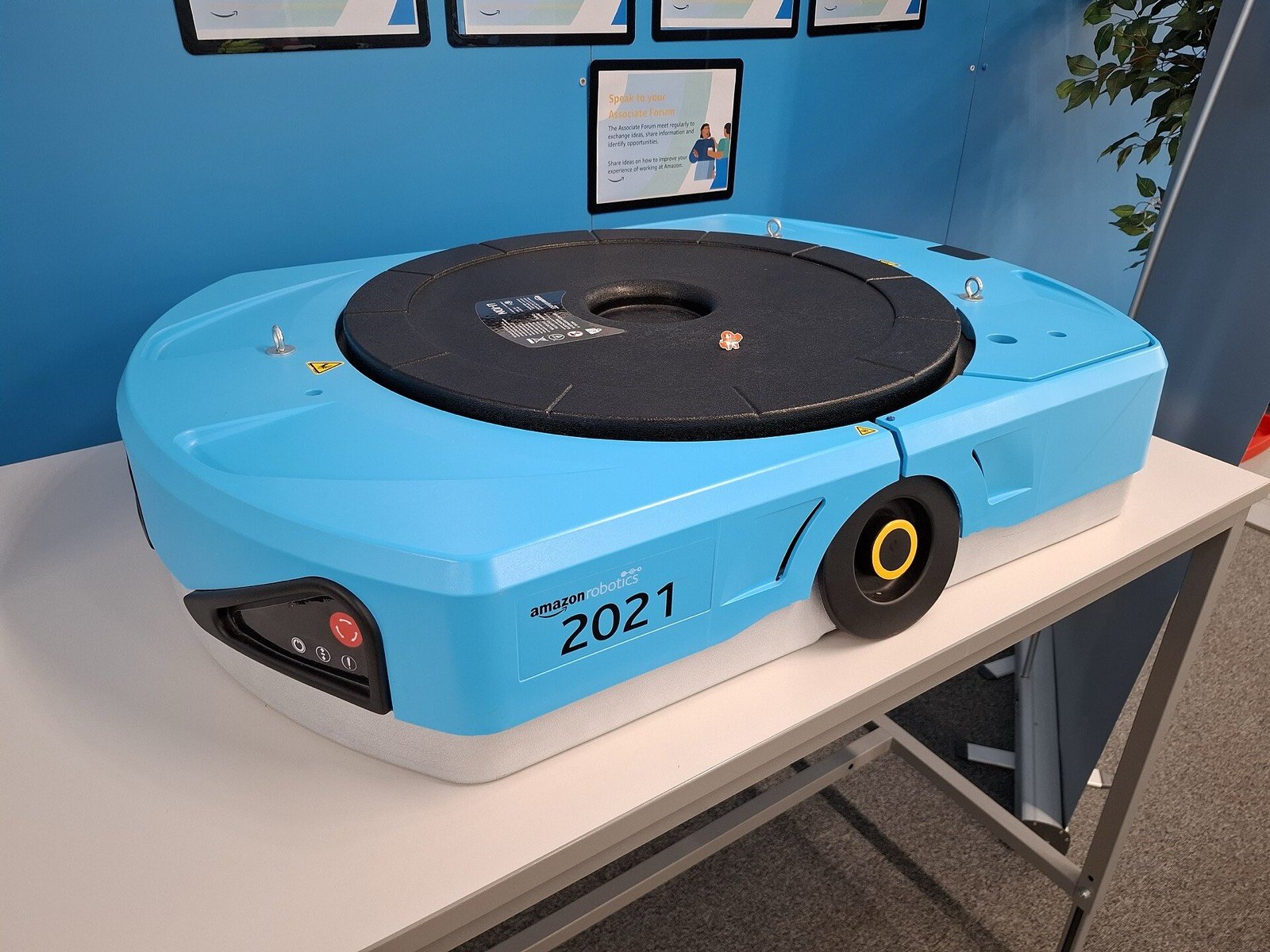
An Amazon Robotics drive unit at a UK fulfilment centre, a descendant of Kiva’s design.
Auledas / CC BY 4.0 ↗
In each case some revenue arrives before the hard technology is finished. The company learns on a customer's money, and its investors get evidence while they wait.
I don't know which of these matters most for India over the next decade. I'm fairly sure Clarke's list won't get built on a ten-year clock.
The 1970 law is the closest thing to a model I know. The chemists it helped were trying to sell a cheaper medicine the following year. Fifty years later, nearly half the generic prescriptions filled in the United States came from Indian companies.